
Get Lightning Protection Service
Lightning Protection Service providers help property owners prevent damage and safety hazards by installing lightning rods, grounding systems, and surge protectors for various buildings.
Property owners in the area seeking reliable lightning protection services can find a range of local contractors equipped to handle their needs. Whether planning a new construction project, upgrading an existing system, or ensuring compliance with safety standards, exploring options within the community helps in making informed decisions. This process allows property owners to compare the services available and identify providers who understand the specific requirements of local buildings and environments.
Continuing to review local service providers ensures that property owners have access to experienced professionals capable of delivering effective lightning protection solutions. By considering different contractors, individuals can assess the scope of services offered and select those best suited to their project’s goals. Staying informed and exploring available options supports the planning process and helps in choosing the right partner for safeguarding properties against lightning risks.
- Commercial Buildings - when large-scale structures require lightning protection to safeguard assets and occupants.
- Residential Homes - when homeowners want to protect their property and family from lightning strikes.
- Industrial Facilities - when factories and warehouses need reliable lightning grounding and protection systems.
- Historical Structures - when preserving heritage sites involves installing discreet lightning protection solutions.
- Communication Towers - when communication infrastructure demands effective lightning risk mitigation.
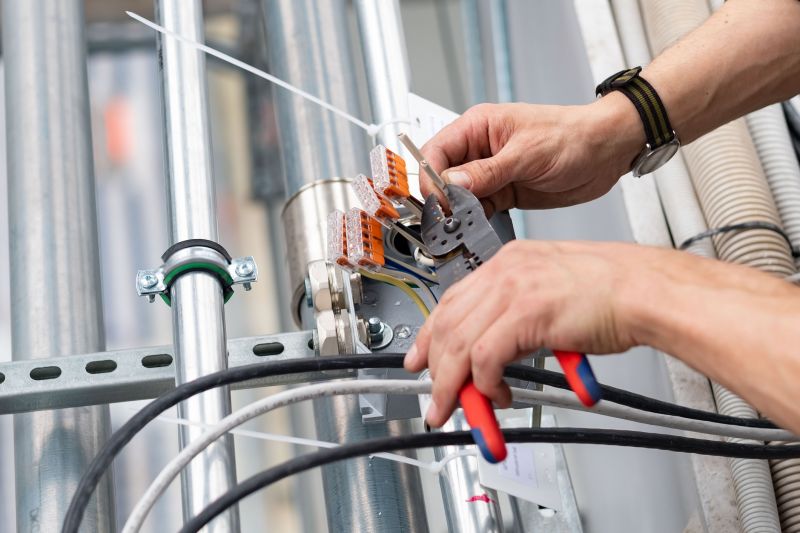
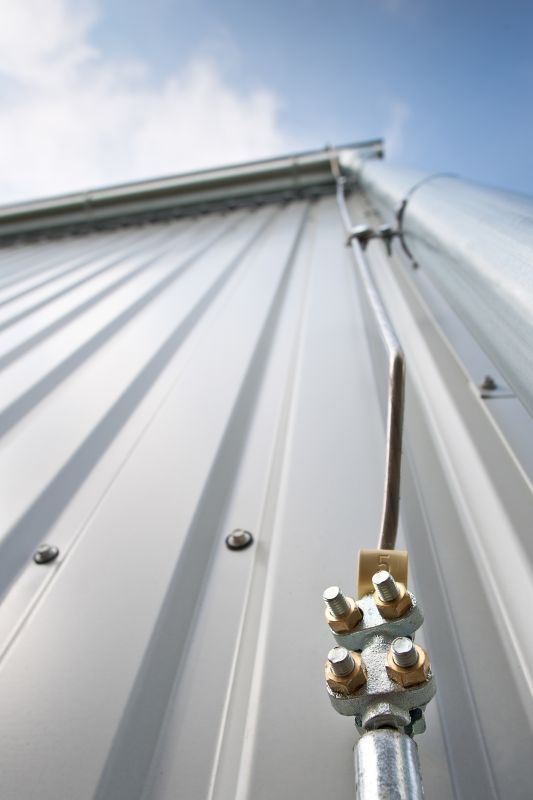
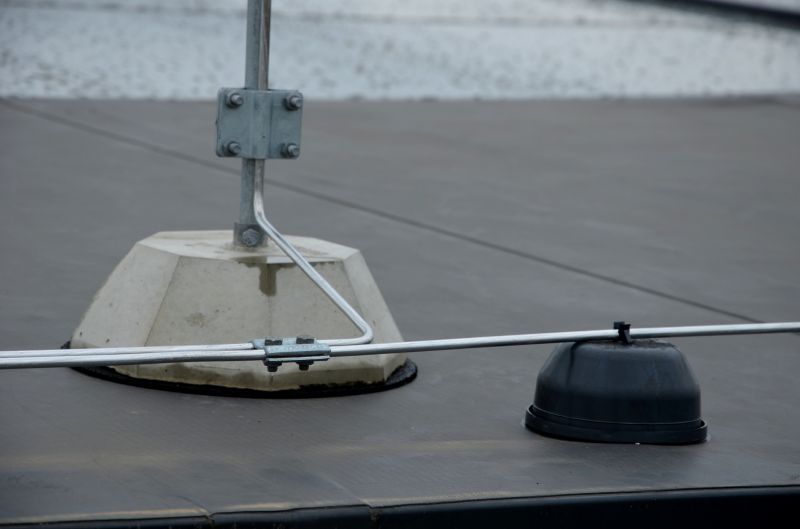
Lightning protection services involve installing specialized systems designed to safeguard properties from the damaging effects of lightning strikes. These systems typically include lightning rods, conductors, and grounding components that work together to redirect lightning away from the structure and safely disperse its energy into the ground. Proper installation ensures that the risk of fire, electrical damage, and structural harm is minimized, providing peace of mind for property owners. Local contractors who specialize in lightning protection can evaluate a property's specific needs and recommend the appropriate system to ensure effective defense against lightning strikes.
These services help address common problems associated with lightning strikes, such as electrical surges that can damage appliances and electronics, fires caused by lightning igniting roofing or other combustible materials, and structural damage resulting from the intense energy of a strike. Without proper protection, a lightning strike can cause costly repairs and disrupt daily life. Lightning protection systems are designed to intercept strikes before they reach the building, reducing the likelihood of damage and maintaining the safety of occupants and property.
Properties that typically use lightning protection services include residential homes, especially those situated in areas prone to thunderstorms or with tall structures like towers or chimneys. Commercial buildings, warehouses, and industrial facilities often require more extensive systems due to their size and the value of their equipment. Agricultural structures, such as barns and silos, may also benefit from lightning protection to prevent damage to stored goods and equipment. Essentially, any property that desires to reduce the risk of lightning-related hazards can consider these services.
Homeowners who notice signs of previous lightning strikes, such as scorch marks or electrical issues, should consider a professional assessment to determine if their property is adequately protected. Similarly, properties located in regions with frequent thunderstorms or high elevations are more likely to require lightning protection systems. Local service providers can evaluate the specific characteristics of a property and recommend suitable solutions to enhance safety and reduce the potential for lightning-induced damage. Contacting experienced contractors ensures that the right system is installed to meet individual property needs.
The overview below groups typical Lightning Protection Service projects into broad ranges so you can see how smaller, mid-sized, and larger jobs often compare in your area.
In many markets, a large share of routine jobs stays in the lower and middle ranges, while only a smaller percentage of projects moves into the highest bands when the work is more complex or site conditions are harder than average.
Smaller Repairs - Typical costs for routine lightning protection repairs range from $250 to $600. Many common repair jobs fall within this range, depending on the extent of damage and system complexity.
System Installation - Installing a new lightning protection system usually costs between $1,000 and $3,000. Larger or more complex projects can reach $5,000+, with most projects falling into the middle of this range.
Full System Replacement - Replacing an entire lightning protection system often costs between $3,000 and $8,000. Larger properties or systems with specialized requirements may push costs higher, but many projects stay within this range.
Maintenance and Inspection - Routine inspections and maintenance typically cost $150 to $400 annually. Many properties require regular checks within this band, while infrequent or extensive inspections can cost more.
Actual totals will depend on details like access to the work area, the scope of the project, and the materials selected, so use these as general starting points rather than exact figures.
Electrical Grounding Projects - These projects involve establishing proper grounding systems that are essential for effective lightning protection and safety.
High-Rise Building Installations - Installing lightning protection systems on tall structures requires specialized planning and tools similar to those used in lightning protection services.
Industrial Facility Shielding - Protecting large industrial sites from lightning strikes involves complex system design and grounding techniques comparable to residential lightning protection.
Communication Tower Grounding - Ensuring reliable operation of communication towers through proper grounding shares skills with lightning protection system installation.
Storm Damage Prevention Projects - Planning and implementing measures to minimize storm-related damage often involve lightning protection strategies and safety assessments.
Metal Roof Installation - Installing metal roofing requires understanding of conductive materials and grounding, which aligns with lightning protection system skills.
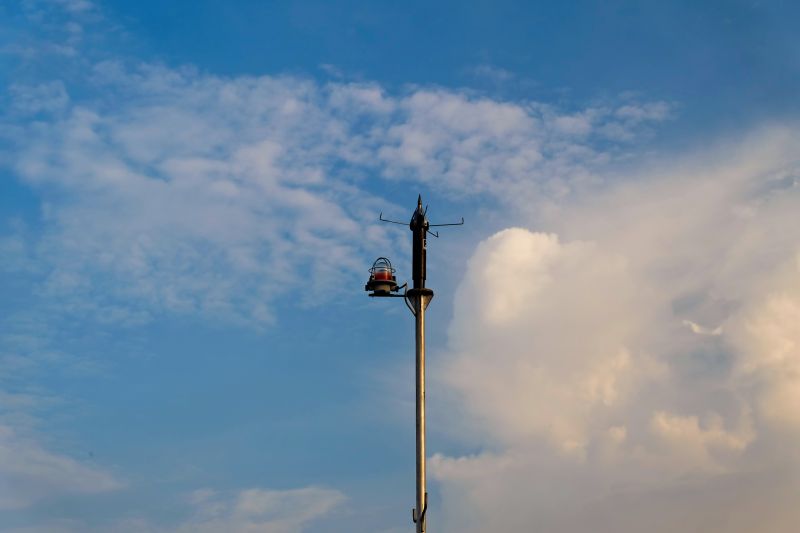
When evaluating local contractors for lightning protection services, it’s important to consider their experience with similar projects. Homeowners should seek out service providers who have a proven track record of handling lightning protection systems in residential settings comparable to their own. An experienced contractor is more likely to understand the unique challenges of different roof types, building structures, and property layouts, which can contribute to a more effective and reliable installation. Gathering information about the types of projects a contractor has completed can help ensure that they have the relevant expertise to meet specific needs.
Clear, written expectations are essential when comparing local service providers. Homeowners should look for contractors who provide detailed descriptions of their services, including the scope of work, materials used, and the steps involved in the installation process. Having these details in writing helps prevent misunderstandings and ensures that both parties are aligned on what will be delivered. It’s also beneficial to request a formal estimate or proposal that outlines the work, so expectations are transparent from the outset.
Reputable references and good communication are key factors in selecting a dependable lightning protection service provider. Homeowners are encouraged to ask potential contractors for references from past clients with similar projects and to follow up with those references to gather insights about their experiences. Additionally, effective communication throughout the process-such as prompt responses to questions and clarity in explanations-can significantly influence the overall experience. While this site introduces homeowners to local options, it is important to verify that the chosen service provider maintains a professional reputation and emphasizes clear, open communication to foster a smooth project.
Property owners use Lightning Protection Service services for practical projects around their homes and businesses. This guide focuses on everyday jobs and straightforward project options.
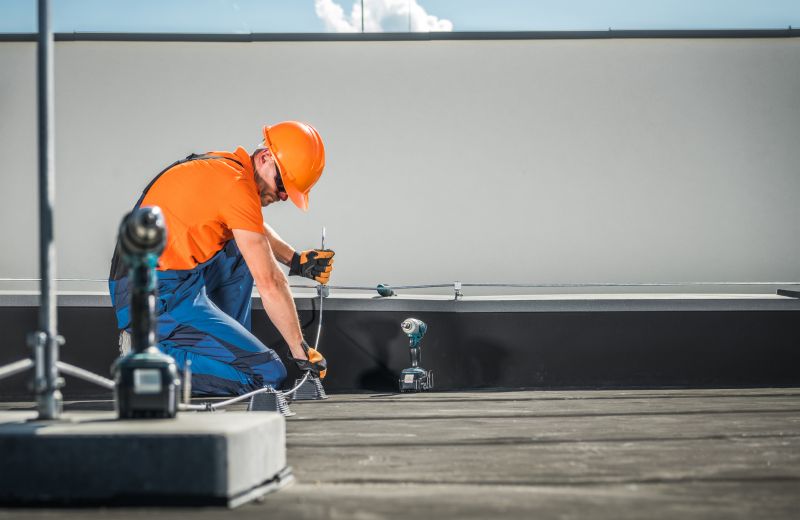
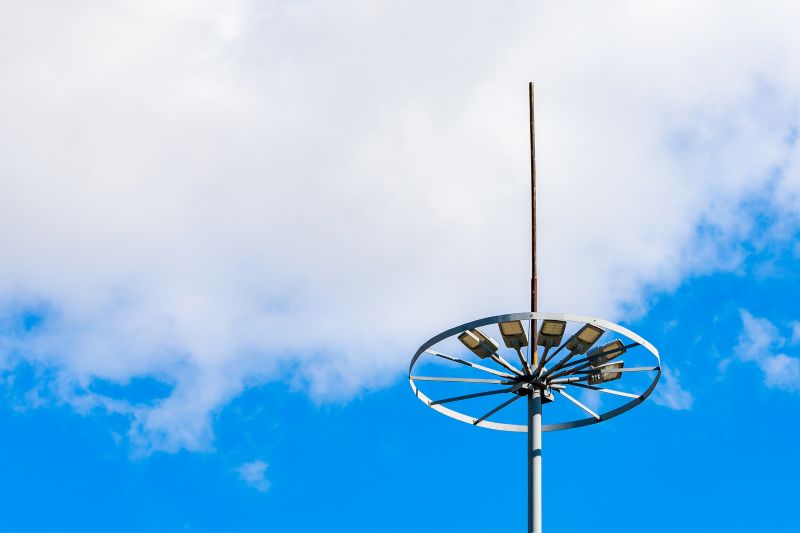
Lightning protection services are often needed for residential and commercial properties that are prone to frequent thunderstorms or lightning strikes. Property owners may seek these services when they want to safeguard their buildings, electrical systems, and valuable equipment from potential damage caused by lightning strikes. Whether installing new lightning rods or upgrading existing systems, local contractors can provide solutions that help minimize the risk of fire, electrical surges, and structural harm during stormy weather.
Many property owners turn to local service providers for lightning protection when they notice signs of aging or damage to existing systems, or when constructing new buildings that require proper lightning grounding. Additionally, those who want to ensure compliance with safety standards or simply aim to protect their investment might reach out to local pros for inspections and maintenance. Connecting with experienced contractors in the area can help property owners find the right solutions to meet their specific needs.
What is lightning protection service? Lightning protection service involves installing systems designed to safely direct lightning strikes away from structures, reducing the risk of damage.
Why should I consider lightning protection for my property? Installing lightning protection can help safeguard your property and its contents by preventing damage caused by lightning strikes.
How do local contractors install lightning protection systems? Local service providers typically assess your property, then install lightning rods and grounding systems to ensure effective protection.
Are lightning protection systems suitable for all types of buildings? Many types of buildings can benefit from lightning protection, but a local contractor can evaluate your specific structure to determine suitability.
What maintenance is needed for lightning protection systems? Maintenance generally includes regular inspections to ensure that all components are intact and properly grounded, which local pros can handle.
Protecting Residential Buildings - Local contractors can install lightning protection systems to safeguard homes during thunderstorms, reducing the risk of damage.
Securing Commercial Properties - Business owners can have lightning rods and grounding systems added to prevent electrical fires and equipment damage.
Enhancing Outdoor Structures - Property owners can ensure that garages, sheds, or outdoor recreational areas are protected from lightning strikes.
Upgrading Existing Systems - Home and business owners can have local service providers inspect and improve current lightning protection setups for better safety.
If you are thinking about Lightning Protection Service for a property, this guide is meant to help you understand the work, the typical project types, and how different options might fit your plans.
When you are ready, you can use the quote form on this page to share a few details about your project. From there, local pros can review the basics and respond with options that match what you have in mind.