
Compare Local Electrical Contractors and Define Project Expectations
Compare local electrical contractors to define project scope, verify experience, and set clear expectations for a successful property upgrade.
Electrical contractors handle a wide range of work related to the installation, repair, and maintenance of electrical systems within residential, commercial, and industrial properties. This can include wiring new structures, upgrading existing electrical panels, installing lighting fixtures, and troubleshooting electrical issues. Properly defining the scope of work ensures that all necessary tasks are clearly identified, helping property owners understand what is involved and preventing misunderstandings that could lead to incomplete or overlooked work.
Clarifying the scope also plays a key role in establishing clear expectations with service providers. When property owners specify exactly what needs to be done, it becomes easier to compare local contractors based on their experience, expertise, and approach to similar projects. Detailed descriptions of the work help in evaluating whether a contractor has the relevant background and resources to handle the specific requirements, fostering better communication and reducing the risk of surprises during the project.
To find the right electrical contractor, property owners should compare local service providers by reviewing their experience with similar projects, verifying their reputation within the community, and assessing how thoroughly they understand the scope of work. Asking for references or examples of past work can provide insight into their capabilities. Additionally, establishing a written agreement that outlines the scope, responsibilities, and expectations can serve as a useful reference point throughout the project, helping to ensure that all parties are aligned and that the work proceeds smoothly.
Compare local contractors by outlining your project priorities, verifying experience, and setting clear expectations in writing.
- Compare Electrical Contractors - Evaluate multiple service providers to find the best match for your project needs.
- Define Project Scope - Clearly outline the work requirements and expectations before engaging with contractors.
- Verify Experience and Expertise - Ensure contractors have relevant background and skills for your specific electrical work.
- Document Agreements in Writing - Keep detailed records of scope, responsibilities, and expectations to prevent misunderstandings.

Clearly describe your electrical project scope to help compare local contractors and verify their experience effectively.
- Verify the electrical service provider’s experience with similar projects to ensure relevant expertise. - Ensuring familiarity with comparable electrical systems can help prevent potential issues during installation or repair.
- Compare the scope of work outlined by different service providers to ensure all necessary tasks are included. - Clear scope definitions help avoid misunderstandings about what the project entails.
- Check that service providers clearly define project details and expectations in writing before work begins. - Written agreements promote transparency and provide a reference for project scope and responsibilities.
- Assess the service provider’s ability to handle the specific electrical needs of the space or system. - Confirming expertise with particular electrical requirements ensures compatibility and quality work.
- Review the service provider’s reputation and references to gauge reliability and customer satisfaction. - Gathering feedback from previous clients can provide insight into the contractor’s performance and professionalism.
- Ensure the scope of work includes safety measures and compliance with relevant electrical standards. - Proper safety protocols and standards adherence are essential for a safe and compliant electrical installation.
Use this to compare contractors, clarify project scope, verify experience, and set clear expectations.
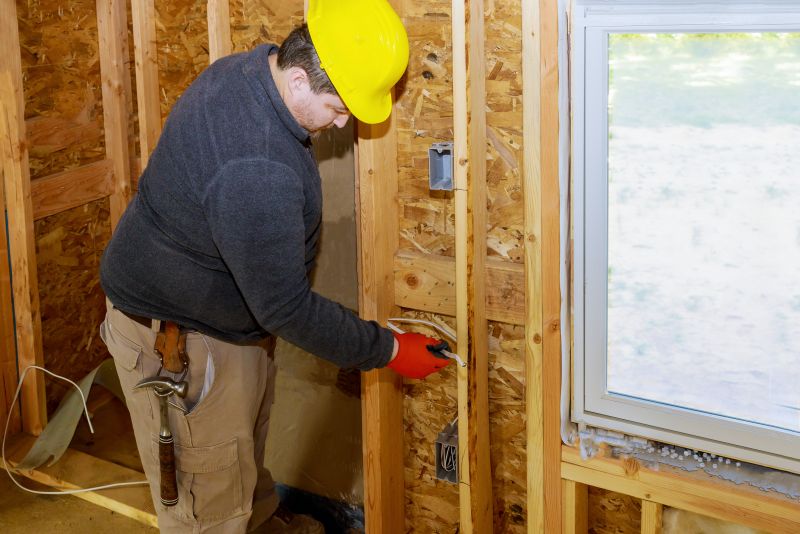
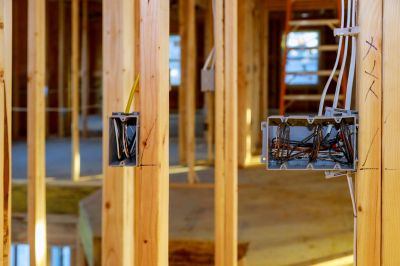

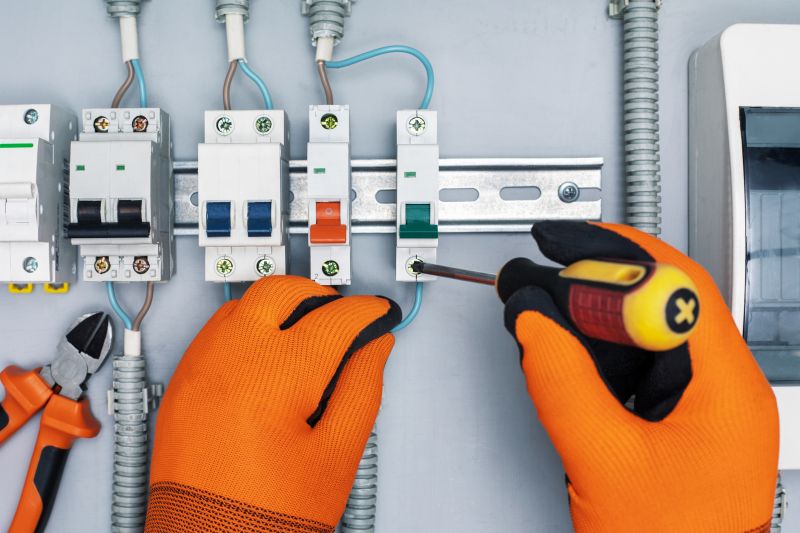
Learn how to compare electrical contractors, define scope, verify experience, and set clear expectations in writing.
- Define Scope of Work - clearly outline the specific electrical tasks and responsibilities required for the project.
- Verify Experience and Capabilities - confirm that local contractors have relevant experience handling similar electrical projects.
- Establish Project Expectations in Writing - document all project details, including deliverables and responsibilities, to ensure clarity.
- Assess Contractor Qualifications - evaluate the background and expertise of service providers to ensure they meet project needs.
- Compare Multiple Service Providers - review and contrast different local contractors to identify the best match for the scope.
When comparing electrical contractors, it’s important to assess their experience with projects similar in scope and complexity. Service providers with a proven track record in handling comparable electrical work are more likely to understand the specific requirements and challenges involved. Inquire about the types of projects they have completed that resemble your needs, and consider their familiarity with the particular systems or installations you require. This can help ensure that the contractor has the practical knowledge necessary to deliver quality results aligned with your expectations.
A clear and detailed written scope of work is essential when evaluating electrical contractors. A comprehensive scope outlines the specific tasks, materials, and deliverables involved in the project, reducing the potential for misunderstandings later on. Service providers who can articulate the scope in writing demonstrate professionalism and transparency, making it easier to compare options objectively. Ensure that the scope covers all aspects of the work you need, and ask for clarity if any parts seem vague or incomplete.
Verifying the basics of a contractor’s background is a key step in the selection process. This includes confirming their experience with similar projects, reviewing their reputation within the local community, and understanding their approach to safety and quality standards. While formal licensing and certification are not discussed here, gathering references or testimonials about their past work can provide insights into their reliability and workmanship. A contractor’s history of completing projects successfully and maintaining good relationships with clients can be valuable indicators of their capability.
When evaluating options among local service providers, it’s helpful to focus on their approach to defining project scope, experience, and communication. Ask how they plan to address your specific electrical needs and request written documentation of the agreed-upon scope. Comparing how each contractor details their process and demonstrates familiarity with similar projects can assist in making an informed choice. Remember, the goal is to find a professional who clearly understands your project requirements and can deliver quality work within the agreed parameters.
Ask for written scope and expectations to ensure clarity and consistency when comparing electrical contractors.
- Scope Clarification - What specific electrical services and tasks are included in the project scope?
- Experience Verification - How long have the local contractors been performing similar electrical work?
- Work Scope Comparison - How do the different service providers define and outline the work included in their proposals?
- Project Expectations - Are the scope details documented clearly in writing to prevent misunderstandings?
- Special Requirements - Do the contractors have experience handling any unique or complex electrical installation or repair needs?
How can I compare electrical contractors effectively? To compare local contractors, review their experience, verify their scope of work, and ensure clear communication about project details. Gathering multiple options allows for better evaluation of their services and professionalism.
What should I consider when defining the scope of an electrical project? Clearly outline the specific tasks, areas involved, and desired outcomes. Providing detailed information helps service providers understand your needs and deliver accurate proposals.
How can I verify a contractor's experience with similar electrical work? Ask for examples of past projects, references, or portfolios that demonstrate their expertise in the type of work you require. Confirming experience ensures they are capable of handling your project.
Why is it important to get work details in writing? Having the scope, expectations, and responsibilities documented helps prevent misunderstandings and provides a clear reference throughout the project.
What questions should I ask a potential electrical service provider? Inquire about their experience, scope of services, project approach, and how they handle unforeseen issues. Well-asked questions can clarify their professionalism and suitability for your project.
How can I ensure a contractor understands my electrical project needs? Communicate your requirements clearly and provide detailed descriptions. Confirm that the contractor has a thorough understanding before moving forward to ensure alignment.
By exploring the information provided, visitors can understand how to effectively compare electrical contractors, clarify project scope, verify experience, and establish clear expectations in writing. This approach helps ensure that the selection process is informed and straightforward, making it easier to find a service provider suited to the specific electrical needs.
Using the quote form to compare local contractors allows for a convenient way to gather information and assess options without commitments. It’s a practical step toward connecting with qualified service providers who can handle the electrical work, helping to streamline the process of finding the right professional for the job.